Who Is This For?
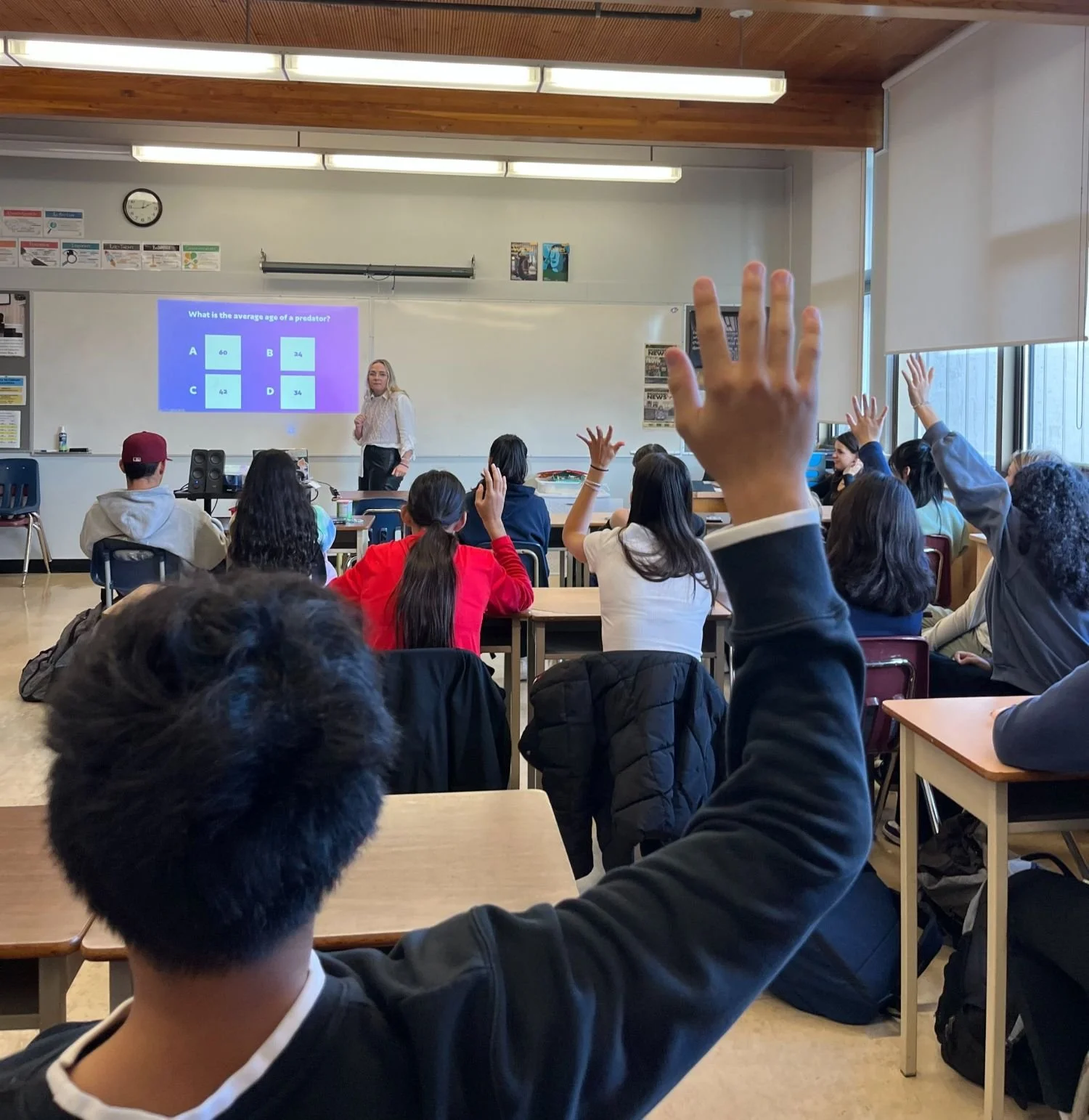
The Prevention Hub videos were designed to provide prevention education that is engaging, interactive, and relatable- so kids and teens can trust their instincts and make safer decisions in real life.
But real prevention works best when it’s guided by the trusted adults in a child’s life, not from leaving them to figure it out on their own.
Because conversations around exploitation can be difficult to navigate, we built these expert-led videos to support parents, teachers, and community members in watching, learning, and engaging alongside their children and youth- making complex, uncomfortable topics easier to approach, understand, and talk about together.
What Topics Are Covered?
We cover topics that help young people navigate the digital world and in-person relationships in order to prevent exploitation. Topics like consent, healthy peer relationships, how we share information online, and the vulnerabilities of the digital world.
From age 11 onwards, we also begin to explore more complex and high-risk issues, including intimate image sharing, sexual exploitation, and human trafficking in an age appropriate way.
We don’t just talk about what these issues are. We break down how they actually happen, addressing the root causes behind sexual exploitation, online exploitation, and human trafficking.
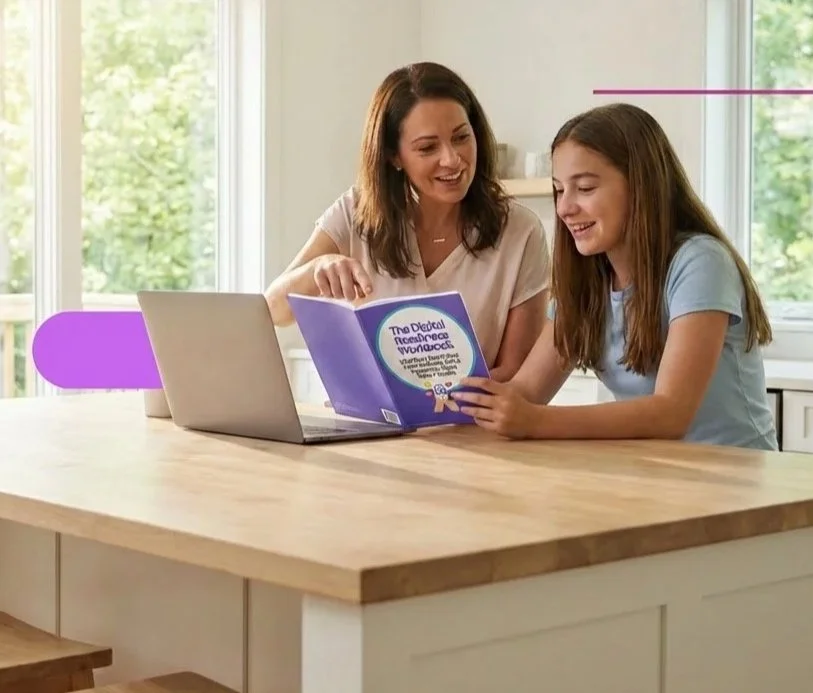
Sign up for our Family Program & Access Guided Parent Resources
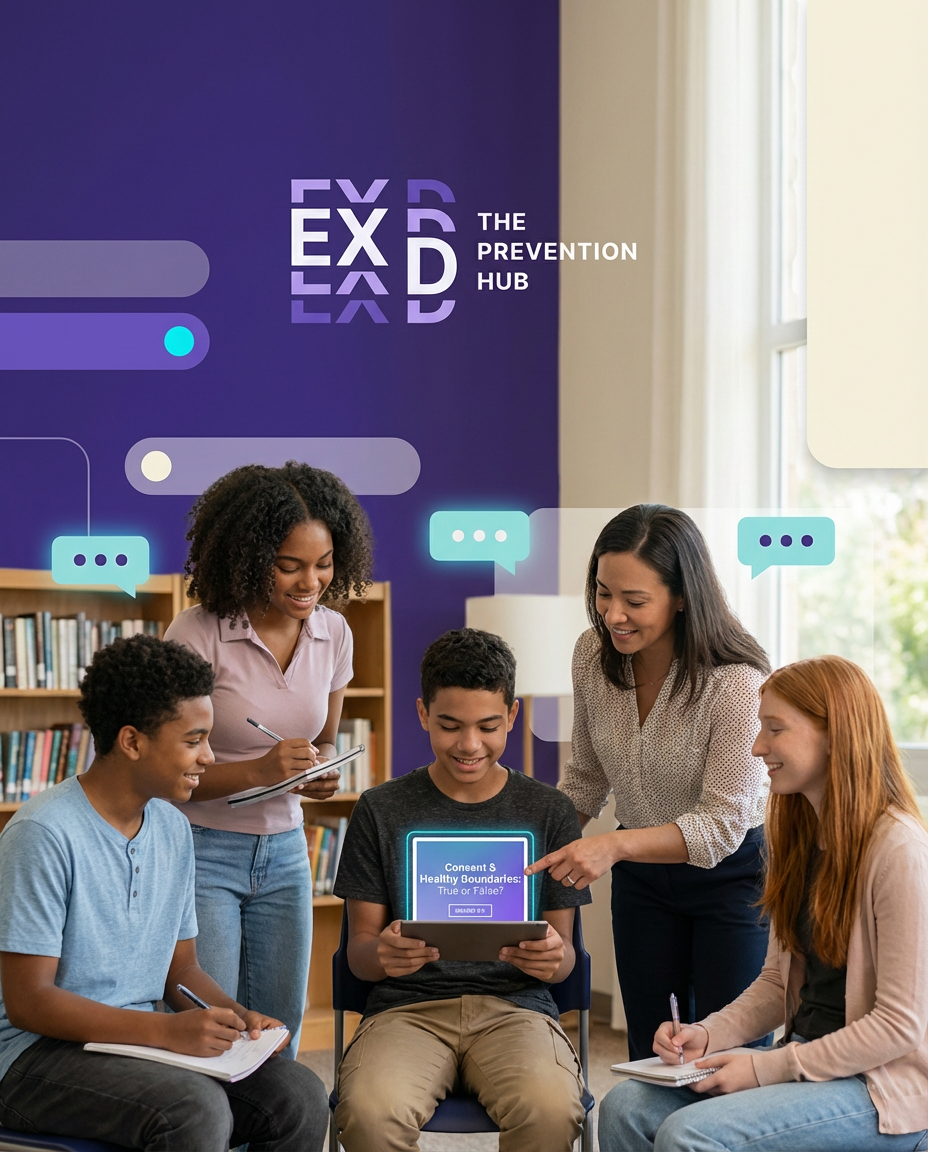
Turn These Videos Into Classroom Learning With Lesson Plans & Online Curriculum
The Prevention Hub is based on the prevention programs of the Center for Exploitation Education (ExEd).
A Canadian non profit organization that has become an international leading voice in preventing child and youth sexual exploitation, human trafficking, and online harm.
We offer prevention education, training, consulting, and partnership collaboration that is expert-led and trauma-informed.